Cedar vs. Pressure-Treated Pine: Best Wood Fence Installation Choice for Gainesville, GA, Homeowners in 2026
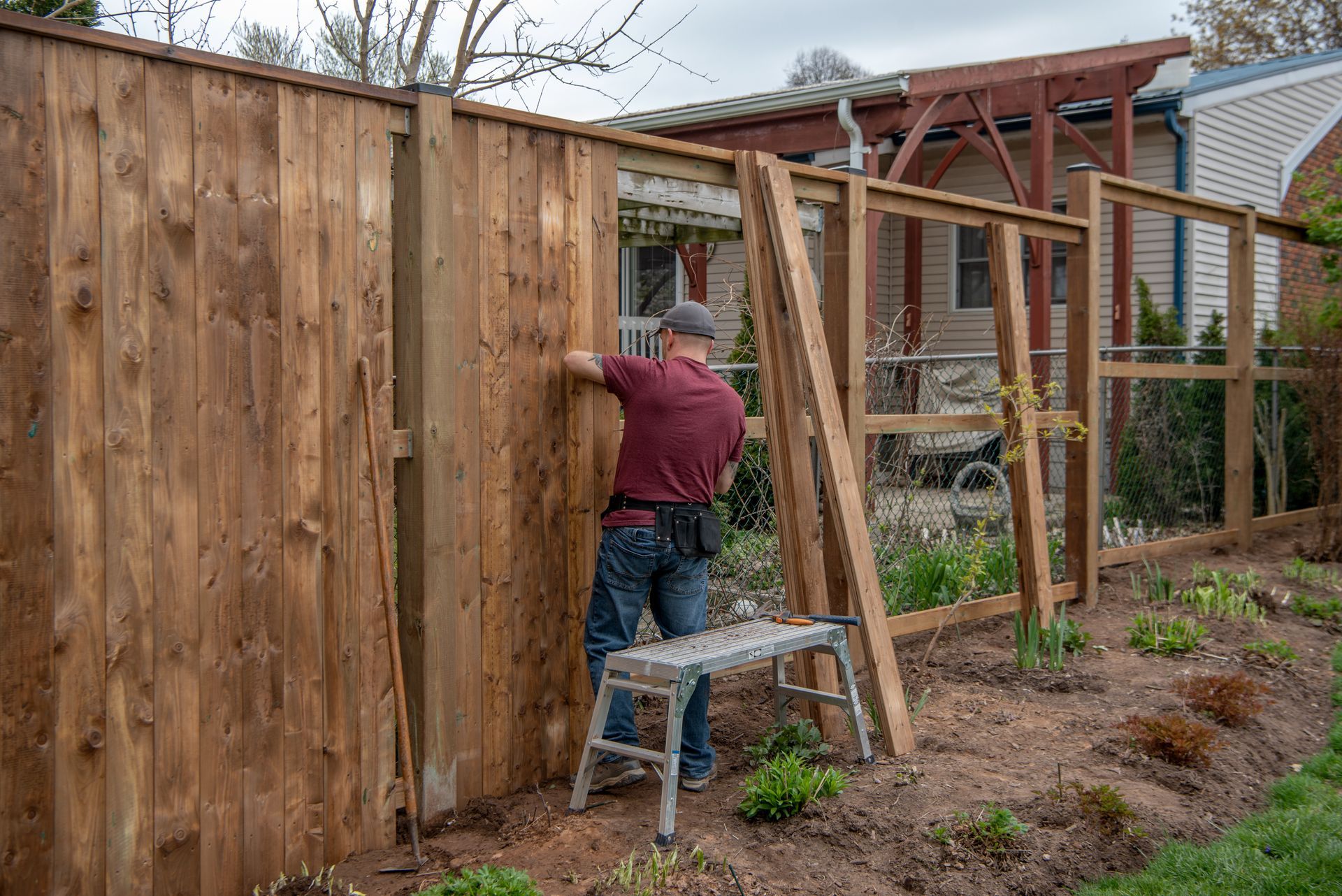
Choosing the right wood for a new fence matters more in North Georgia than almost anywhere else. This guide covers the key differences between cedar and pressure-treated pine for Wood Fence Installation in Gainesville, GA.
Gainesville sits in Hall County, where summer humidity routinely climbs, afternoon thunderstorms roll off the Blue Ridge foothills, and the Lake Lanier shoreline adds extra moisture exposure. Those conditions put real stress on any wood fence.
How Does Georgia's Humidity Affect Cedar and Pressure-Treated Pine?
Both woods can hold up in the South, but they handle moisture differently. Cedar contains natural oils that repel moisture and resist decay without chemical treatment. Pressure-treated pine uses chemical preservatives to fight rot and insects, making it a solid performer where boards meet the ground.
In high-humidity regions, cedar stays dimensionally stable, shrinking and swelling less through Georgia's wet summers and drier winters. This means fewer warped boards and loose fasteners over time. Pressure-treated pine absorbs more moisture during peak summer months, leading to expansion and contraction cycles that can cause warping without proper sealing.
Upfront Cost vs. Long-Term Value: Which Wood Wins?
Pressure-treated pine is typically the more affordable option at purchase. Cedar costs more upfront, but many homeowners find it delivers better value over a longer lifespan.
In Georgia's climate, pressure-treated pine fences can perform well for roughly 10 to 15 years with consistent maintenance. Cedar, when properly cared for, may last 15 to 20 years or longer. That lifespan gap can offset cedar's higher initial price, especially since cedar requires less frequent maintenance.
For large yards or budget-focused projects, pressure-treated pine may still make practical sense. For homeowners near Lake Lanier or in shaded Gainesville neighborhoods where moisture stays high, cedar's natural oils offer added durability through any Wood Fence Installation project.
Aesthetics and Staining: What Will Your Fence Look Like?
Cedar offers a rich, warm tone with a fine, straight grain. New pressure-treated pine can display a greenish tint from copper-based preservatives, though this typically fades within a few months.
Both woods accept stain well. Cedar benefits from an exterior oil stain applied every five to seven years. Pressure-treated pine generally needs sealing and re-staining every three to five years to prevent discoloration and moisture absorption. Left unfinished, both woods weather to a silver-gray tone over time.
A Note on Hall County and HOA Compatibility
If your property falls within a Hall County HOA or the City of Gainesville limits, finish requirements may apply. Hall County regulations note that solid wood fences must carry a natural finish, and if stained or varnished, the result must appear natural in character. Always verify your HOA's specific rules on wood species, finish color, and fence height before purchasing materials.
Which Wood Fence Should You Choose?
Cedar is often the better long-term choice for Gainesville homeowners who want lower ongoing maintenance and natural rot resistance, especially on shaded or high-moisture lots. Pressure-treated pine can be the smarter pick when upfront budget matters most, as long as you commit to regular sealing and inspection.
For help sourcing materials for your next Wood Fence Installation in Gainesville, GA, visit the Wood Fencing Supplies Gainesville page or explore the full Fencing Materials catalog to compare wood, vinyl, and metal.
Ready to Start Your Wood Fence Project?
Circle A Fences carries both pressure-treated pine and cedar, including boards, posts, rails, fasteners, and sealers suited to Georgia's climate. Whether you are a homeowner or contractor, the team can help you find what you need.
Call
(678) 337-1034 to speak with a team member,
contact us online, or find
Circle A Fences on Google to see locations, reviews, and hours.